
TL;DR
A Livingetc report featuring interior designers says more than one rug can work in a room, especially to mark out living and dining zones in an open-plan layout. The designers advise connecting rugs through color, texture or contrast and taking care with side-by-side placement, which may make smaller rooms feel divided.
Multiple rugs can help define areas in an open-plan room without adding walls, according to a Livingetc report featuring interior designers. Their advice is to match placement to purpose: use separate rugs to anchor distinct furniture zones, or layer a smaller accent rug over a larger base to add color and texture.

Get decor and gifts delivered free with Prime
- Fast, free delivery on millions of items
- Prime Video, Amazon Music and more included
- Member-only deals all year
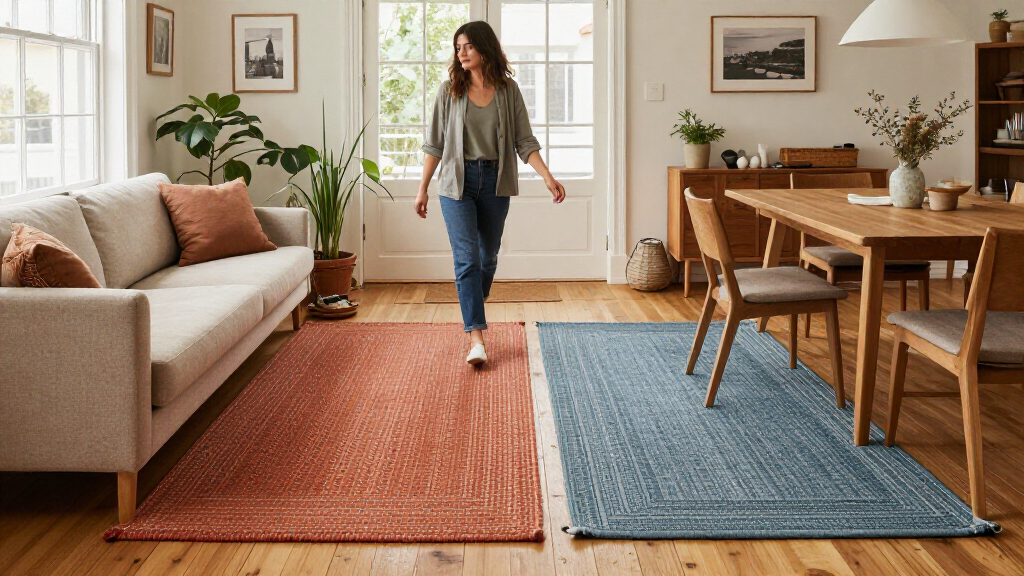
In a room that combines a kitchen, dining area and lounge, rugs can create visual boundaries while leaving the overall space open. Ann Marie Cousins, founder of AMC Design, says rugs are useful for zoning, particularly in open-plan layouts. A large rug beneath a sofa and chairs can group the seating; another beneath a dining table can give that area its own identity.
The rugs do not need to match, but the report advises finding a shared design element, such as a repeated color, compatible contrast or balance between a bold pattern and a quieter texture. The surrounding flooring, upholstery and artwork also affect whether the rugs feel like part of one room scheme.
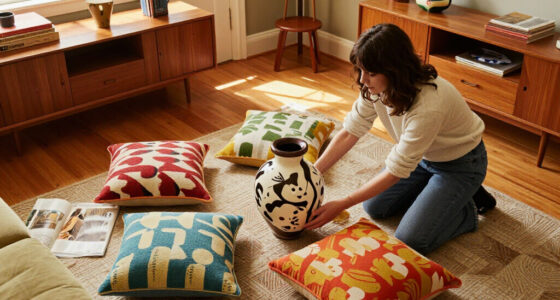
For a single seating area, the report presents layering as an alternative to placing rugs side by side. A larger, relatively understated rug can anchor the furniture, with a smaller patterned or colorful rug on top. Designer Marie Flanigan recommends keeping the pair complementary and using the upper rug to introduce personality. Layering can also make a favorite design work when it is not available in a size large enough to cover the whole seating group.
Rugs Can Mark Zones Without Walls
For households with combined living and dining spaces, rugs offer a way to give activities distinct places without blocking sightlines or changing the layout. That can make a large, undefined footprint feel more organized while preserving its open character.
The advice also highlights a practical design trade-off: more rugs do not automatically create better zoning. Their scale and placement influence whether furniture looks grounded or the floor feels fragmented. A coordinated pair can connect areas; rugs that compete in pattern or leave awkward gaps may have the opposite effect.
Popular right now

Dyson V15 Detect Cordless Stick Vacuum

Breville Barista Pro Espresso Machine with Built-In Grinder, Brushed Stainless Steel

KitchenAid Classic Series 4.5-Quart Tilt-Head Stand Mixer, Onyx Black
As an affiliate, we earn on qualifying purchases.
Two Approaches to Multiple Rugs
The report distinguishes between separate-zone placement and layering. Side-by-side rugs can suit a large room with two distinct seating groups, provided each rug is large enough to anchor its own furniture. Flanigan cautions that placing rugs beside each other can make a room feel disconnected, a risk that may be more apparent in a smaller space.
If two rugs are being used together to cover a larger area, Cousins advises hiding the join beneath a coffee table or dining table where possible. For layering, the suggested roles are different: the bottom rug supplies a calm foundation, while the smaller top rug acts as an accent. The report also notes that a flatweave may suit a dining area, while a softer pile can make a seating area feel more inviting.
““Rugs are a great way to zone a space within your home, working particularly well in open-plan layouts such as a living room.””
— Ann Marie Cousins, founder of AMC Design
Room Size Shapes the Result
The report offers general design guidance, not a tested rule or a measurement standard. It does not specify minimum room dimensions, rug sizes or spacing for side-by-side arrangements, so the result will depend on the room and furniture layout. It also does not compare durability, cost or cleaning needs across rug materials. Readers should treat the recommendations as designers’ advice rather than a guarantee that a particular combination will suit every home.
Plan the Layout Before Buying
The guidance points readers toward a practical next step: decide whether the aim is to separate activities or layer an accent, then consider the furniture each rug needs to anchor. Check how the proposed sizes relate to the seating or dining group, whether the rugs share a color or texture, and whether a join can be concealed. Livingetc’s report does not announce a product launch or further design milestone; its recommendations are intended to guide individual room planning.
Key Questions
Can you use two rugs in an open-plan room?
Yes. The designers quoted by Livingetc say separate rugs can mark living and dining areas while keeping the overall space open. The rugs should relate through color, texture or contrast.
Is it better to put rugs side by side or layer them?
It depends on the layout. Separate rugs can anchor distinct zones in a large room; layering a smaller rug over a larger one can work within one seating area. Flanigan cautions that side-by-side rugs may feel disconnected.
How can different rugs look coordinated?
Repeat a color, balance a bold pattern with a quieter design, or link rugs through texture. The report also recommends considering nearby flooring, upholstery and artwork.
How can you hide the join between two rugs?
Cousins suggests placing the meeting point beneath a coffee table or dining table, where possible, to make two rugs used together appear more seamless.
Source: livingetc.com