
TL;DR

Get decor and gifts delivered free with Prime
- Fast, free delivery on millions of items
- Prime Video, Amazon Music and more included
- Member-only deals all year
Online interest in floral sofas and so-called “grandma” decor is rising, with listicles and shopping guides treating the style as an established look rather than a passing fad. The recent surge in coverage is easy to observe, but no single event or product launch has been confirmed as its trigger. Designers have described the broader grandmillennial style as a multi-year reaction against minimalism, though its durability remains an open question.
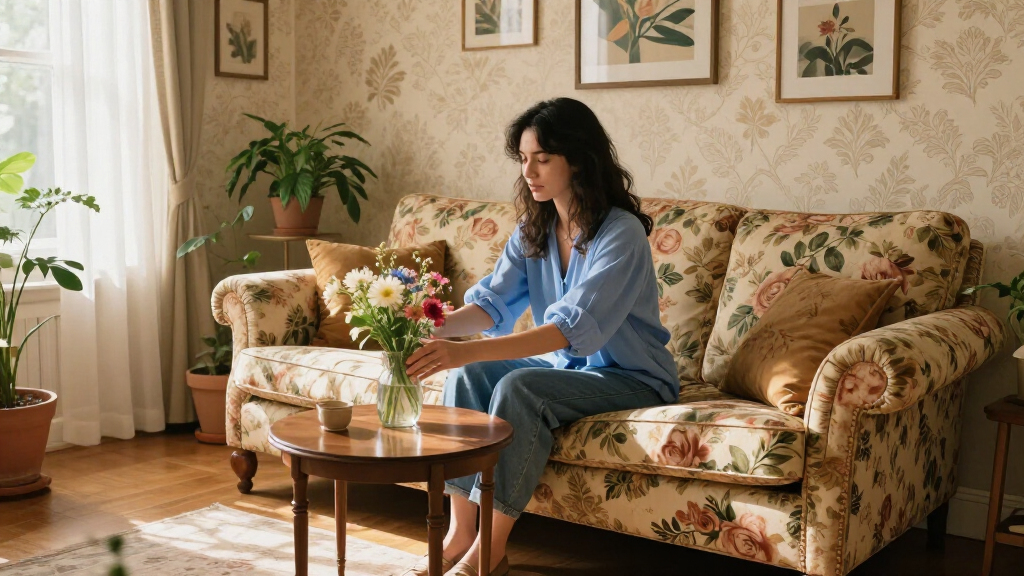
Editorial coverage of floral sofas is surging across home decor outlets, with published shopping guides — including a widely circulated roundup of eight floral sofas titled as proof that the “grandma” decor trend is here to stay — presenting the look as an enduring style rather than a short-lived fashion. The coverage itself is the confirmed development: multiple outlets are actively recommending bold, chintz- and cottage-style upholstered seating to readers. What is driving the spike right now, and whether the trend truly has staying power, remain unverified.
The piece at the center of the current attention is a shopping guide format — a list of eight floral sofa options — a format publishers typically reserve for styles they believe readers are actively searching for and buying. That framing matters: “here to stay” is the outlet’s editorial claim, not a verifiable market statistic. No sales data, manufacturer announcement, or designer survey accompanies the roundup.
What is well established, independent of this particular article, is the broader style it belongs to. The grandmillennial or “granny chic” aesthetic — characterized by floral prints, fringe, ruffles, needlepoint, and vintage-inspired furniture — has been covered by mainstream design and lifestyle publications for several years as a documented reaction against the gray-heavy minimalism that dominated the 2010s. Floral upholstery itself is far older still: chintz and printed-cotton slipcovered sofas have cycled through English country, American cottage, and shabby-chic interiors for generations.
The current coverage suggests the trend is broadening from accents to major furniture purchases. Early grandmillennial features focused on pillows, wallpaper, and thrifted accessories; a roundup devoted entirely to sofas — typically a buyer’s largest and longest-kept furnishing decision — implies publishers see sustained reader demand for the pattern at a higher commitment level.
Why Sofa-Sized Commitment Matters for the Trend
A sofa is a multi-year purchase, unlike the pillows and throws that carried the grandmillennial trend in its earlier phases. If readers are genuinely buying floral sofas rather than merely pinning them, that would signal the style has moved from experiment to default for a meaningful share of shoppers — the strongest available test of the “here to stay” claim.
For readers, the practical stakes are straightforward. Choosing a bold printed sofa locks in a room’s direction and is expensive to reverse, whereas minimal upholstery tolerates changing tastes through cheaper accessories. The surge in guides to this category suggests retailers and editors believe enough buyers are now willing to make that long bet on pattern.
The trend also carries a generational signal that outlets have repeatedly highlighted: younger homeowners embracing styles their grandparents’ generation favored, framing nostalgia as a design choice rather than something to update away from.
How Granny Chic Went From Punchline to Product Line
The style now marketed as “grandma decor” follows a familiar arc. Chintz florals and skirted sofas were mainstream in the 1980s and early 1990s, fell out of favor as spare, neutral minimalism took over in the 2000s and 2010s, and began returning in the late 2010s under the grandmillennial label — a term popularized by design media to describe millennials decorating with vintage-leaning, handmade-looking elements.
Coverage of that revival is long-standing and well documented across lifestyle and interior-design publications, which makes the current floral-sofa wave a continuation and escalation of an established trend rather than a new arrival. Pandemic-era nesting and the rise of thrifting and cottagecore aesthetics are widely cited in prior design coverage as accelerants, though attributing the current spike specifically to any of these factors would be speculation.
“8 floral sofas that prove the ‘grandma’ decor trend is here to stay”
— The floral sofa roundup’s headline framing
What the Trend Coverage Doesn’t Tell Us
No trigger has been confirmed for the current spike in floral-sofa coverage. It is not tied to any identified product launch, designer collaboration, retail announcement, or sales report in the available material. The observation rests on the coverage pattern alone.
There is also no sales or search-volume data attached to the roundup, so the claim that the trend is “here to stay” is unverifiable from the source. Editorial enthusiasm has preceded consumer demand before, and publishing trends can reflect seasonal content calendars as easily as reader behavior. Whether buyers purchasing sofas today will still embrace heavy floral prints in five to ten years — the realistic lifespan of the furniture — is unknown.
Watch Retail, Not Roundups, for the Verdict
The clearest test of the trend’s durability will come from retail behavior: whether major furniture brands expand floral and vintage-print upholstery lines in upcoming seasonal collections, or whether the pattern remains confined to boutique and slipcover specialists. Reader-facing roundups are likely to continue through the spring and fall decor cycles, since the format reliably performs with home audiences.
Industry trade shows and new-catalogue releases over the coming seasons will offer the most concrete signal. If mass-market retailers commit shelf space to printed sofas, the “here to stay” claim gains real support; if not, the coverage may prove to be a peak rather than a plateau. For now, the honest status is: interest is elevated, and the verdict is pending.
Key Questions
What is the “grandma” decor trend?
It is the popular name for a style — also called grandmillennial or granny chic — that embraces traditionally “old-fashioned” elements: floral prints, ruffles, fringe, needlework, and vintage-inspired furniture. It has been covered by design media for several years as a reaction against minimalist, neutral-heavy interiors.
Is it confirmed that the trend is ‘here to stay’?
A sofa is a large, long-term purchase, so guides devoted entirely to floral versions suggest publishers believe readers are moving from small accents to major patterned furniture — a stronger commitment signal than pillows or wallpaper.
What caused the current spike in coverage?
That is unclear. The spike is observable in the volume of shopping guides and articles, but no specific product launch, announcement, or event has been identified as the trigger.
Should I buy a floral sofa?
That depends on tolerance for a bold, long-lived pattern. Buyers can hedge with removable slipcovers in printed fabric over neutral upholstery, which allows the look to change without replacing the furniture. No purchase trend is confirmed enough to treat a floral sofa as a safe resale or longevity bet.
Source: rss
Halloween Picks
halloween
As an affiliate, we earn on qualifying purchases.