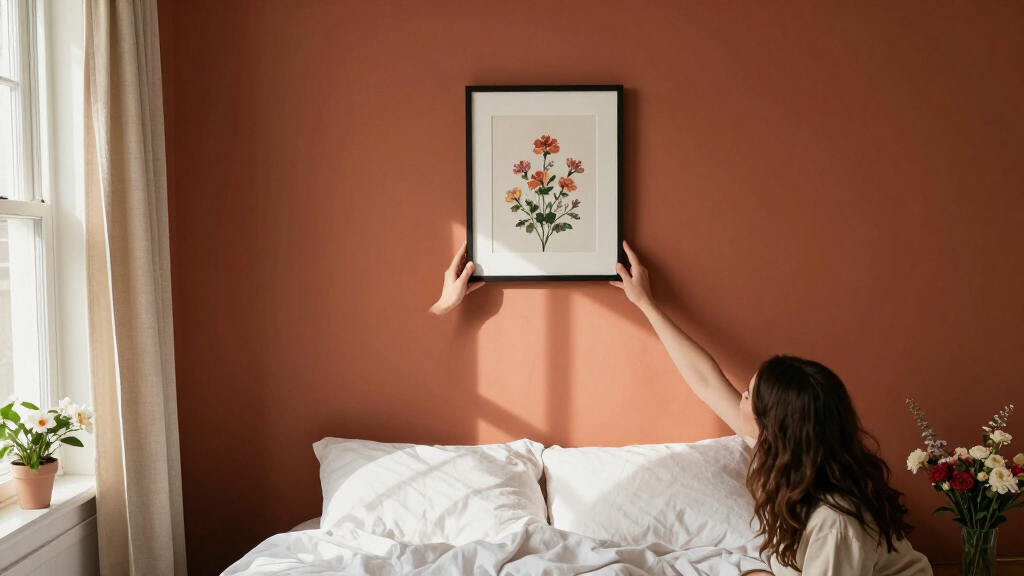

TL;DR

Get decor and gifts delivered free with Prime
- Fast, free delivery on millions of items
- Prime Video, Amazon Music and more included
- Member-only deals all year
Romantic wall art decor creates an intimate mood through imagery, color, texture, and personal meaning—not just hearts and roses. Choose artwork that suits your room’s palette and purpose, measure before hanging, and use one clear visual thread to keep the result warm rather than cluttered.
A single framed photograph can make a bare bedroom wall feel more personal than a dozen heart-shaped decorations. That’s the quiet power of romantic wall art decor: it changes how a room feels without asking you to redecorate every surface.
Romantic does not have to mean rose prints, pink walls, or a matching set of sentimental quotes. It can mean the soft greens of a garden, a charcoal portrait, or a picture of the coastline where you spent your first family holiday. What matters is the mood the art creates and the meaning you bring to it.
This guide will help you choose artwork, colors, materials, and placement that fit your actual home. You’ll also get a practical hanging plan, ideas for different rooms, and ways to keep the finished look intimate rather than crowded.
Choose art for the mood or memory it carries; romantic imagery does not need hearts, roses, or couples.
Match colors and materials to the room: matte paper and wood can soften a space, while dark palettes or metallic frames create a more dramatic feel.
Measure the wall and nearby furniture before buying; test a gallery layout with paper templates before hanging.
Keep modern romantic decor balanced with clean-lined furniture, a restrained palette, and open wall space.
Protect artwork from direct sunlight, moisture, and insecure mounting, especially above beds or seating.
What Makes Wall Art Feel Romantic Without Using Hearts?
Romantic wall art decor is artwork that adds warmth, intimacy, beauty, or emotional connection to a room. The feeling can come from the subject, palette, texture, or story behind the piece; hearts and roses are only one option. A faded botanical print can feel just as tender as a couple’s portrait.
Think of romantic decor as a low, warm lamp rather than a spotlight. It invites you closer instead of announcing itself from across the room. A misty landscape, loose watercolor flowers, a handwritten poem, or a family photograph can all create that feeling when the art relates naturally to the room and the people who use it.
For example, a couple who loves hiking might frame a small photograph of a mountain trail from a favorite weekend away. The image may not show romance in the usual sense, but its personal history gives it emotional weight. That makes the wall feel lived-in, not staged for a catalog.
Personal meaning often matters more than a romantic symbol. Ask yourself what you want the room to feel like—serene, nostalgic, playful, elegant, or dramatic—then choose art that supports that mood. This also helps you avoid buying a decorative piece simply because it has a heart in the corner.
romantic wall art framed photograph
As an affiliate, we earn on qualifying purchases.
As an affiliate, we earn on qualifying purchases.
How to Choose Colors and Materials That Set the Mood
Romantic wall art decor feels cohesive when its colors and surface finish work with the room rather than compete with it. Blush, cream, terracotta, and muted red are familiar choices, but forest green, navy, burgundy, and black can feel intimate too. The right palette depends on the mood and colors already in your space.
Compare the art to something that already belongs in the room, such as the bedding, curtains, or a favorite chair. If your bedroom has warm oak furniture and ivory linen, a botanical print with moss-green leaves can tie those textures together. A glossy neon-pink poster might still be fun, but it will create a very different kind of energy.
| Choice | Feeling it can create | Example to try |
|---|---|---|
| Blush, cream, or muted red | Soft, gentle, familiar | Watercolor flowers in a bedroom |
| Terracotta or warm neutrals | Earthy, relaxed, welcoming | A sunset landscape above a dining bench |
| Deep green, navy, or burgundy | Moody, elegant, dramatic | A dark floral print in a reading nook |
| Matte paper or natural texture | Soft, quiet, tactile | A linen-textured print in a living room |
Material changes the impression. Matte paper and canvas tend to soften an image, while glossy finishes catch more light and may appear polished. Wood frames add warmth; slim black frames feel crisp; metallic frames can lend a dressier touch. For example, a simple cream mat around an old family photograph gives it room to breathe without making the frame feel fussy.
As an affiliate, we earn on qualifying purchases.
How to Choose Art That Fits Your Room and Your Life
The best romantic wall art fits both the wall and the way you use the room. Start with the feeling you want, then check scale, subject, and placement before you buy. A beautiful print that disappears above a wide sofa will not have the same effect as one sized to anchor the seating area.
- Name the mood. Choose a word such as calm, nostalgic, playful, or dramatic. For a quiet bedroom, a soft garden scene may work better than a high-contrast graphic.
- Measure the available space. Note the wall width and the width of nearby furniture. A small piece above a large bed can look disconnected; try a larger print or a balanced pair instead.
- Check the room’s colors. Pick up one or two shades already present in a rug, cushion, or curtain. Repeating those colors helps the art feel at home.
- Choose a subject you’ll still like. Personal photographs, poetry, landscapes, portraits, and abstract shapes can all work. Pick something you enjoy seeing every day, not just something that matches a trend.
- Test the arrangement. Lean pieces against the wall or use paper templates before making holes. Step back from the doorway and check whether the grouping feels balanced.
Imagine a dining area or another space meant for gathering: a pair of related landscape prints can create a gentle focal point without making dinner feel like a formal occasion. In a small bedroom, one well-sized vertical piece may be more restful than a full gallery wall. Scale and breathing room matter as much as the image itself.
When you rent, a picture ledge or removable hanging strips can make rearranging easier, but check the product’s weight limits and surface requirements. A heavy frame needs a suitable fixing. Above a bed or sofa, secure the artwork properly and follow the hardware maker’s instructions.
As an affiliate, we earn on qualifying purchases.
How to Build a Romantic Gallery Wall That Still Feels Calm
A romantic gallery wall feels collected rather than crowded when you connect the pieces with a shared color, frame style, subject, or story. You can mix photographs, paintings, and small objects; they do not need to match exactly. The unifying thread gives the eye a path through the arrangement.
Try a set of five pieces built around a shared palette: one personal photograph, two botanical prints, a small abstract, and a handwritten phrase. Keep the colors to soft green, cream, and warm brown. The mix feels personal, while the repeated tones stop it from reading like a random pile of frames.
- Gather more options than you need. Put possible prints, photographs, and frames on the floor so you can compare them together.
- Choose one visual thread. Repeat a frame finish, a color family, or a subject such as flowers and gardens.
- Set a spacing rule. Start with roughly two to three inches between frames, then adjust for the wall and frame sizes.
- Balance the shapes. Spread large pieces through the arrangement rather than clustering them all at one end.
- Use paper templates. Tape paper outlines to the wall and live with them for a day before hanging anything.
For instance, if your arrangement looks heavy on the left, move one small, light-colored print toward the right before reaching for a hammer. Negative space—the bare wall around and between the art—is part of the design. Leaving a little room makes each piece easier to notice.
More frames do not automatically make a gallery wall more intimate. If the wall feels busy, remove one or two pieces and check the result from the main doorway. A smaller arrangement with a meaningful photograph can feel warmer than a packed grid of prints you chose only to fill every gap.
As an affiliate, we earn on qualifying purchases.
How to Make Romantic Decor Feel Modern, Not Overly Sweet
Modern romantic wall art decor pairs emotional or soft imagery with clean lines, restraint, and enough blank space. The aim is not to hide sentiment; it is to give it room. A loose floral painting above a simple walnut console can feel contemporary because the furniture and styling stay calm.
One useful rule is to let a single piece do the expressive work. If you choose a large rose painting, keep the nearby frames simple and skip the matching rose-print cushions, candle holders, and quote signs. Like a good song with one clear melody, the room feels stronger when every element does not compete for the chorus.
Consider a small living room with a pale sofa and black metal floor lamp. A single abstract in dusty pink and rust adds warmth, while a narrow black frame connects it to the lamp. By contrast, several ornate frames, glittering text, and bright red accessories might make the same room feel themed rather than personal.
- Use a restrained palette: repeat two or three colors already in the room.
- Mix soft art with simple furniture: florals or portraits can balance clean-lined pieces.
- Edit sentimental details: choose the photographs or words that mean the most.
- Leave some wall empty: open space keeps the room from feeling overdecorated.
There is no universal formula: an ornate antique frame can be exactly right in a historic home, while a minimalist apartment may call for a slim frame and one expressive print. It can suit a bedroom, living room, or dining area when its scale and style respond to the space rather than overpower it.
Where to Hang Art and How to Protect It
Hang romantic wall art where you can see and enjoy it, at a height that relates to your furniture and usual viewing position. A common starting point is to place the visual center near average eye level, then adjust for the room. Art above a bed should connect visually to the headboard rather than float far above it.
For example, stand near your bed and look toward the wall from where you usually sit or lie down. A restful landscape that feels lovely from the doorway may be uncomfortable if a heavy frame sits too close overhead. Secure frames with hardware suited to the wall and the frame’s weight, and use professional help if the installation calls for work beyond your skills.
Light and moisture affect how artwork holds up. Prolonged direct sunlight can fade prints and photographs, so avoid placing delicate pieces where harsh afternoon sun lands every day. Bathrooms and kitchens can bring humidity, heat, or splashes; a print that looks fine in a dry bedroom may not be a good fit near a steamy shower or stove.
Protect the artwork without hiding it. Use appropriate glazing for delicate prints, keep pieces away from strong heat and moisture, and follow the maker’s care advice. If you rent, picture ledges or hanging strips rated for the frame and wall surface may help limit wall damage. For instance, a lightweight framed print on a ledge can be moved when you rearrange furniture, while a heavy mirror needs secure mounting rather than a casual adhesive hook.
Frequently Asked Questions
What counts as romantic wall art?
Romantic wall art creates a feeling of warmth, intimacy, beauty, or emotional connection. It can be a floral painting, a landscape, a portrait, a poem, or a personal photograph—hearts and couples are not required.
What colors work best for romantic wall decor?
Blush, cream, muted red, and terracotta are familiar choices, but deep green, navy, burgundy, and warm neutrals can feel just as intimate. Choose colors that support the mood you want and relate to the room’s existing palette.
What art should I hang above a bed?
Choose a restful image that fits the bed’s width and feels comfortable from where you sit or lie down. Secure the frame properly, and avoid placing a heavy piece where it could fall over the bed.
How do I keep a romantic gallery wall from looking cluttered?
Use one unifying thread, such as a shared palette, frame finish, subject, or story, and keep spacing consistent. Lay the pieces out first, leave some wall visible, and remove any print that makes the arrangement feel crowded.
Can romantic wall art fit a small room?
Yes. One well-scaled piece or a compact vertical arrangement can add warmth without filling every wall. Leave negative space around it so the room still feels open.
Conclusion
Choose romantic wall art for the feeling and memory you want to keep close, then give it the right scale, frame, and breathing room. A single garden print, a travel photograph, or a small, carefully edited gallery can turn a plain wall into a place that feels like yours.
Start with one piece that makes you pause when you pass it. Let the rest of the room take its cue from there.
Fall Picks
fall essentials
As an affiliate, we earn on qualifying purchases.