
TL;DR
Search interest in blackout curtains that block nearly all light is increasing, as users report sleeping past sunrise. The trend appears driven by personal experiences, but specific products and broader impacts are still unconfirmed.
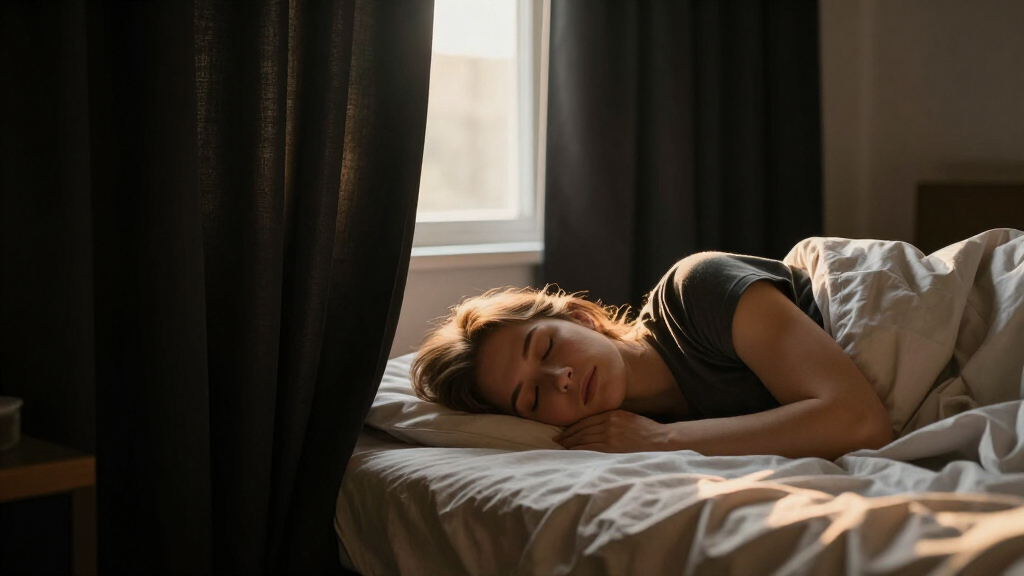
Search interest in blackout curtains capable of blocking nearly all light has surged, with many users claiming they now sleep past sunrise. This trend is driven by anecdotal reports and social media sharing, though specific products and the overall impact on sleep patterns are still being studied.

Get decor and gifts delivered free with Prime
- Fast, free delivery on millions of items
- Prime Video, Amazon Music and more included
- Member-only deals all year
The trend appears to originate from a rise in online discussions and user testimonials highlighting the effectiveness of certain blackout curtains in completely darkening bedrooms. Many individuals report waking up later than usual, sometimes well past sunrise, attributing this to the curtains’ ability to eliminate ambient light. The phenomenon has gained traction on social media platforms and home decor forums, with some users claiming improved sleep quality and better rest cycles.
While the reports are largely anecdotal, the increased search interest suggests a growing demand for highly effective blackout solutions. Experts note that the ability of curtains to block light depends on materials and installation quality, but specific brands or models driving this trend have not been officially identified. The trend’s popularity appears to be a combination of consumer desire for better sleep and increased awareness of sleep hygiene practices.
Potential Impact on Sleep and Daily Routines
This rising interest in blackout curtains could influence consumer behavior, prompting more people to invest in sleep-enhancing home modifications. If these curtains genuinely enable users to sleep later and improve sleep quality, they may affect daily routines, work schedules, and overall well-being. However, without scientific studies confirming these claims, the long-term health benefits remain uncertain.
Popular right now

Bose QuietComfort Wireless Noise-Cancelling Over-Ear Headphones, Cypress Green

De’Longhi Classic Matte Black Espresso Machine with Milk Frother

KitchenAid Artisan Series 5-Quart Tilt-Head Stand Mixer, Dried Rose
As an affiliate, we earn on qualifying purchases.
Growing Online Discussions and Consumer Interest
The trend reflects broader consumer interest in sleep health and home environment customization. Social media posts and reviews highlight personal experiences with blackout curtains, often emphasizing their effectiveness in blocking light. The surge in searches and online chatter coincides with increased awareness of sleep hygiene, especially as remote work and flexible schedules become more common. It is not yet clear whether this trend is driven by specific products or a general desire for better sleep conditions.
Unconfirmed Details About Product Effectiveness
It is not yet confirmed which specific blackout curtain products are responsible for the trend, nor whether their effectiveness varies significantly across brands. Scientific studies on the impact of blackout curtains on sleep duration are limited, and claims remain anecdotal.
Monitoring Consumer Feedback and Scientific Research
Further research and product testing are expected to clarify which blackout curtains are most effective. Consumer reviews and sleep studies may emerge to validate claims of improved sleep past sunrise. Market trends will likely evolve as more data becomes available and manufacturers respond to demand.
Key Questions
Can blackout curtains really help me sleep past sunrise?
Many users report that high-quality blackout curtains significantly reduce ambient light, helping them sleep longer. However, individual results vary, and scientific evidence is limited.
Are all blackout curtains equally effective?
No, effectiveness depends on material, fit, and installation. Some curtains may block more light than others, but specific product comparisons are still emerging.
Is there scientific proof that blackout curtains improve sleep quality?
Current research suggests that reducing light exposure can benefit sleep, but specific studies on blackout curtains’ effectiveness in extending sleep are limited. Most evidence is anecdotal.
Will this trend continue or fade soon?
The trend’s longevity depends on ongoing user experiences and scientific validation. Interest may persist if consumers see tangible sleep improvements.
Source: rss