Creating a DIY relationship journal helps you track your growth and express gratitude, strengthening your bond with your partner. Dedicate a few minutes regularly to reflect on positive moments, shared achievements, and feelings of appreciation. Use it to analyze conflicts, celebrate milestones, and recognize each other’s strengths. Consistent journaling deepens connection and fosters emotional intimacy without extra expense. Keep exploring for more effective ways to make your relationship more meaningful and resilient.
Key Takeaways
- Dedicate regular time to reflect on positive moments, growth, and gratitude to deepen emotional connection.
- Use honest and empathetic journal entries to improve communication and understanding within the relationship.
- Document conflict triggers and resolutions to identify patterns and develop healthier responses over time.
- Focus on strengths and appreciation to foster positivity and boost relationship satisfaction.
- Review past entries to track progress, celebrate milestones, and motivate continued relationship investment.

Have you ever wondered how to strengthen your relationship without spending a fortune on therapy or workshops? One simple yet powerful way is to start a DIY relationship journal. This isn’t just about jotting down daily events; it’s a tool to deepen your connection by reflecting on your growth and expressing gratitude. As you set out on this journaling journey, focus on improving communication tips and conflict resolution skills. These two areas are essential for maintaining a healthy, resilient partnership.
Begin by dedicating a few minutes each day or week to write about your experiences together. Use your journal to capture moments that made you feel loved, appreciated, or understood. When you do, you’re actively practicing communication tips—like being honest, specific, and empathetic in your entries. Writing about your feelings and listening to your partner’s perspective helps break down barriers and fosters trust. Over time, this habit encourages more open, heartfelt conversations outside the journal, reinforcing your emotional intimacy.
Dedicate time to honest, empathetic journaling to strengthen trust and emotional intimacy with your partner.
In addition, use your journal as a space to reflect on conflicts or misunderstandings. Instead of avoiding difficult topics, write about conflicts from both perspectives. This exercise cultivates conflict resolution skills by encouraging you to analyze what triggered the disagreement and how it was handled. When you revisit these entries, you gain insight into patterns and discover healthier ways to respond. By documenting your progress in resolving issues, you’re actively learning to communicate better and navigate challenges with patience and understanding.
Incorporate gratitude into your entries to nurture positivity and appreciation. Write about what you value most in your partner and your relationship. This habit shifts focus from problems to strengths, helping you both recognize the good even during tough times. Over time, these gratitude reflections boost your overall relationship satisfaction and remind you of the foundation you’re building together.
Your relationship journal also becomes a record of your growth. You’ll see how your communication tips have improved and how conflicts have become opportunities for connection rather than division. It’s rewarding to look back and realize how far you’ve come, strengthening your motivation to continue investing in each other. Plus, sharing some journal entries with your partner can foster vulnerability and understanding, creating a shared experience that brings you closer.
In the end, a DIY relationship journal is an accessible, effective way to nurture your bond. It encourages mindful communication, constructive conflict resolution, and heartfelt gratitude—all of which lay the groundwork for a happier, more resilient partnership. With consistency and honesty, this simple practice can transform how you relate to each other, making your relationship stronger without breaking the bank.

Mini Block Craft DIY What I Love Book Fill-in-the-Blank Book Love Journal Book for Men, Women, Boyfriend, Girlfriend, Husband, Wife, Him, Her- Couples Gifts for Birthday, Anniversary, Valentines Day
【Beautifully Crafted Love Journal Book】Encased in a hardcover, this 5 x 6.5 inch couples gift book is built…
As an affiliate, we earn on qualifying purchases.
As an affiliate, we earn on qualifying purchases.
Frequently Asked Questions
How Often Should I Update My Relationship Journal?
You should update your relationship journal at least once a week to maintain consistency and track your growth effectively. Regular updates help you stay mindful of your progress and gratitude. To keep up with journal frequency, set a specific day and time that works for you, like Sunday evenings. Consistency tips include using reminders and making journaling a relaxing routine, ensuring you stay committed and engaged in documenting your journey together.
What Are Some Creative Ways to Personalize My Journal?
Personalize your journal with playful patterns and vibrant colors on creative covers that catch the eye. Use decorative dividers to distinguish different sections like gratitude, memories, or goals, adding a decorative touch that reflects your style. Incorporate meaningful doodles, quotes, or photos to make it uniquely yours. By blending bold covers and beautiful dividers, you create a mesmerizing, customized keepsake that celebrates your relationship’s growth and gratitude.
Can a Relationship Journal Improve Communication?
Yes, a relationship journal can improve communication by fostering emotional intimacy and encouraging honest sharing. When you regularly reflect on your feelings and experiences, you promote open dialogue with your partner. It also helps identify patterns in conflict resolution, making it easier to address issues calmly. Over time, journaling strengthens your connection, deepens understanding, and enhances your ability to navigate challenges together with empathy and clarity.
How Do I Handle Sensitive or Painful Entries?
When handling sensitive or painful entries, you should prioritize emotional release and respect privacy boundaries. Take time to process your feelings privately, perhaps through journaling or talking with a trusted friend. If sharing, make sure your partner understands and respects your boundaries. Use your journal as a safe space to express emotions honestly, and revisit these entries when you’re ready, fostering healing and understanding.
What Are the Best Prompts for Documenting Growth?
Think of growth as tending a garden—you need the right tools. Use self reflection prompts like “What did I learn today?” or “When did I feel most connected?” to harvest insights. Gratitude journaling prompts such as “What am I thankful for this week?” help you appreciate progress. These prompts nurture your emotional landscape, encouraging ongoing growth and self-awareness. Keep nurturing your journal, and watch your relationship blossom.

The Couple's Gratitude Journal: 5 Minutes to Create a Stronger and More Fulfilling Relationship
As an affiliate, we earn on qualifying purchases.
As an affiliate, we earn on qualifying purchases.
Conclusion
By keeping this relationship journal, you’re planting seeds of growth and gratitude that will blossom over time. Remember, every entry is a brushstroke shaping a masterpiece of connection and love. As you look back, you’ll see your journey unfold like a beautiful story written by your own hand. Embrace this process—your future self will thank you for the depth, strength, and tenderness you nurture today. After all, isn’t love the most precious story you’ll ever tell?

Couples Journal for Him and Her to Fill Out Together: Fun and Deep Questions to Enjoy, Reflect and Strengthen Your Relationship | Bucket Lists to Create and Record Your Adventures
As an affiliate, we earn on qualifying purchases.
As an affiliate, we earn on qualifying purchases.
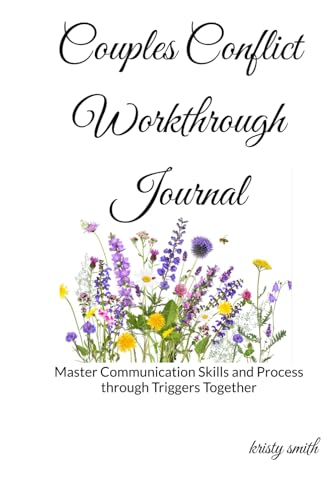
Couples Conflict Workthrough Journal: Master Communication Skills and Process through Triggers Together
As an affiliate, we earn on qualifying purchases.
As an affiliate, we earn on qualifying purchases.