
To avoid screen overload and balance digital with real-life interactions, set clear boundaries around your device use, like avoiding phones during meals or establishing screen-free hours. Prioritize face-to-face conversations, and turn off notifications to stay present. Regularly reassess your digital habits to guarantee they don’t overshadow in-person connections. By making intentional choices, you can foster deeper relationships and well-being. Keep exploring ways to create healthier boundaries to strengthen your social life.
Key Takeaways
- Set clear boundaries for screen time, such as designated device-free periods during meals or family time.
- Prioritize in-person interactions by scheduling regular face-to-face meetings and activities.
- Turn off notifications during important moments to minimize distractions and stay present.
- Use technology intentionally to enhance relationships without letting it replace real-world connections.
- Regularly reassess digital habits and boundaries to maintain a healthy balance between screen use and offline engagement.

In today’s connected world, it’s easy to get caught up in the convenience of digital communication while neglecting the significance of face-to-face interactions. As you spend more time texting, emailing, or scrolling through social media, you might find yourself losing touch with the real-world connections that fuel genuine relationships. To avoid this, establishing clear virtual boundaries becomes essential. Virtual boundaries are limits you set around your digital usage to guarantee that technology doesn’t encroach on your personal life or social well-being. For example, you might decide to avoid checking your phone during meals or set specific hours when you disconnect from screens altogether. These boundaries help create space for face-to-face engagement, which is vital for meaningful interactions. When you prioritize real-world conversations over digital ones, you foster deeper understanding and stronger bonds with those around you. Face-to-face engagement allows for non-verbal cues—such as body language and facial expressions—that digital communication often misses. These cues enrich your conversations and help you interpret emotions more accurately, reducing misunderstandings. Plus, in person, you’re more likely to listen actively and respond thoughtfully, which strengthens your relationships. Making intentional choices to spend quality time with others in person helps balance your digital life. For instance, scheduling regular meetups or family dinners can serve as anchors that keep you grounded in real-world connection. When you turn off notifications and put your devices aside, you’re better able to focus on the present moment. This mindfulness enhances your ability to engage authentically, without the distractions of screens. You also become more aware of your virtual boundaries, recognizing when digital interactions are taking precedence over face-to-face engagement. Additionally, understanding the role of contrast ratio in image quality can help you select the right tools for creating immersive home environments that encourage in-person gatherings. Remember, technology should serve as a tool to enhance your relationships, not replace them. Setting limits on screen time isn’t about avoiding digital communication altogether but about creating a healthy balance. By consciously choosing to prioritize in-person interactions, you invest in relationships that are more resilient and fulfilling. Over time, you’ll notice that your digital habits become more intentional, freeing up space for genuine human connection. Ultimately, balancing digital and real-life communication requires deliberate effort. It’s about recognizing when your virtual boundaries need reinforcement and actively seeking face-to-face engagement whenever possible. Doing so enriches your social life, cultivates empathy, and ensures that technology remains a helpful tool rather than a barrier to meaningful relationships.

LANDVIEW Vinyl Placemats Set of 4, PVC Woven Washable Non-Slip Table Mats, Heat Resistant Wrinkle Free Place Mats for Dining Table, Easy to Clean (4, Navy Blue)
Professional Material: Our placemats are made from 70% PVC and 30% polyester, dense weave craftsmanship to give the…
As an affiliate, we earn on qualifying purchases.
As an affiliate, we earn on qualifying purchases.
Frequently Asked Questions
How Can I Tell if I’m Overusing Digital Communication?
You can tell you’re overusing digital communication if you feel anxious or distracted when not online. Notice if you’re constantly checking your devices or neglecting face-to-face interactions. Consider taking a digital detox to reset your habits. Setting social boundaries helps prevent screen overload, so limit your screen time and prioritize real-life connections. If digital use interferes with your sleep or daily tasks, it’s time to reassess and create healthier boundaries.
What Are Signs of Screen Overload in Daily Life?
You might notice signs of screen overload like feeling exhausted, irritable, or distracted during daily tasks. You could struggle to focus, experience eye strain, or neglect social boundaries with loved ones. To prevent this, consider a digital detox, setting specific times for device use, and prioritizing face-to-face interactions. Recognizing these signs helps you maintain a healthy balance, reducing stress and improving overall well-being.
How Do I Set Boundaries for Digital Device Use?
Tech-free zones help you set boundaries by creating spaces where screens are off-limits, encouraging real-life connection. You can implement digital detox methods like scheduled device breaks, turning off notifications, or establishing specific hours for device use. These practices help you reclaim time, reduce overload, and foster mindfulness. By consciously designing these boundaries, you regain control, making room for meaningful interactions both online and offline.
Can Reducing Screen Time Improve Mental Health?
Reducing screen time can substantially boost your mental health. By practicing mindfulness techniques, you become more aware of your digital habits and their impact. Taking regular social media detoxes helps break the cycle of constant notifications and comparison, lowering anxiety and stress. You’ll feel more present, focused, and relaxed. Making these changes encourages healthier boundaries, improves your mood, and fosters genuine connections offline.
What Are Effective Ways to Reconnect Offline?
You can reconnect offline by making face-to-face interactions your top priority—ditch your devices and really focus on the people around you. Plan outdoor activities like hikes, picnics, or sports, and turn off screens to fully engage. These moments create real bonds and memories, making your offline life richer. By intentionally stepping away from screens, you’ll find your relationships deepen, and your mental health gets a much-needed boost.

BestSelf Helm Focus Device – Premium NFC-Powered Phone Distraction Blocker Physical App Blocker Tool for Deep Work, ADHD Focus, and Screen-Free Productivity
🔒 Physical Focus, Reclaimed Power – Crafted from solid aerospace-grade brass, Helm transforms your screen time into real…
As an affiliate, we earn on qualifying purchases.
As an affiliate, we earn on qualifying purchases.
Conclusion
Finding the right balance between digital and real-life communication is vital for your well-being. Remember, over 60% of people report feeling overwhelmed by constant screen time, leading to stress and burnout. By setting boundaries and prioritizing face-to-face interactions, you can restore your mental health and strengthen relationships. Don’t let screens control your life—take small steps today to reconnect with the world around you and enjoy deeper, more meaningful connections.

LIORQUE Digital Kitchen Timer, Magnetic Countdown Countup Timer with Large LED Display, 2 Brightness Levels, 3 Volume Levels, Productivity Timers for Classroom Cooking Fitness
EASY TWIST OPERATION – All you have to do is to rotate the timer and the digits will…
As an affiliate, we earn on qualifying purchases.
As an affiliate, we earn on qualifying purchases.
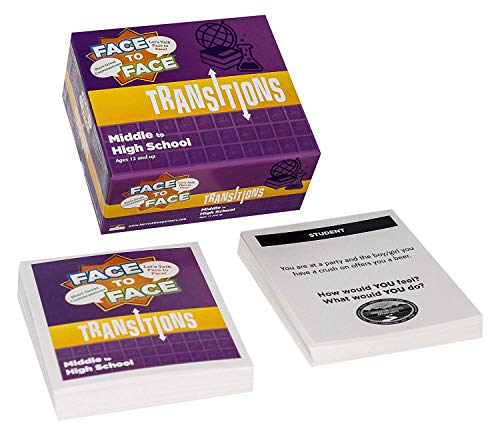
Harvest Time Partners Face to Face Transitions – Middle School to High School Conversation Game, Conversation Starters for Students, Parents, and Teachers, 96 Scenario Cards, Ages 13+
Stronger Relationships Start Here: As teens navigate middle school and high school life, this conversation game strengthens communication…
As an affiliate, we earn on qualifying purchases.
As an affiliate, we earn on qualifying purchases.