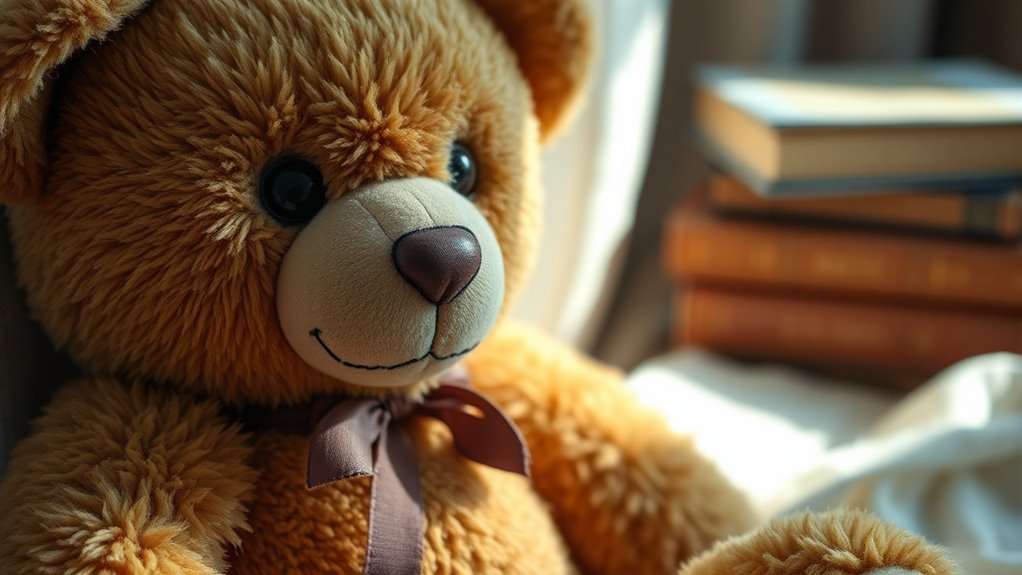

Teddy Day celebrates the tradition of giving teddy bears as symbols of comfort and care. The story begins with President Theodore Roosevelt, who refused to shoot a captured bear, inspiring toy makers to create plush bears named after him. Over time, these bears became symbols of kindness and emotional support, perfect for offering solace in tough times. If you keep exploring, you’ll uncover how this simple act grew into a meaningful celebration of compassion.
Key Takeaways
- Teddy bears are named after President Theodore “Teddy” Roosevelt, who showed compassion by sparing a bear during a hunting trip.
- The story linked Roosevelt’s humane act to the creation of plush bears, symbolizing kindness and empathy.
- Teddy bears evolved into comfort objects, representing safety, warmth, and emotional reassurance for all ages.
- Giving a teddy bear signifies offering comfort, care, and emotional support during times of distress or celebration.
- Teddy Day celebrates this tradition, using teddy bears as symbols of love, friendship, and heartfelt sentiment.

Have you ever wondered where Teddy Day originates from? It’s a celebration that’s rooted deeply in the teddy bear symbolism we all recognize today. The history of teddy bears dates back over a century, and understanding their origins helps explain why giving a teddy bear has become such a meaningful gesture. The story begins in the early 1900s, when a popular political figure, President Theodore “Teddy” Roosevelt, made headlines for an unusual reason. During a hunting trip, Roosevelt refused to shoot a captured bear, considering it unsportsmanlike. This act of compassion was widely covered in newspapers, and a toy maker named Morris Michtom saw an opportunity. Michtom created a plush bear, which he called “Teddy’s bear,” symbolizing Roosevelt’s kindness and the idea of compassion. The bear quickly gained popularity, and its association with the president’s nickname helped cement its place in popular culture.
The history of teddy bears is intertwined with themes of comfort, innocence, and companionship. Over time, manufacturers began producing these soft toys in various sizes, styles, and colors, making them accessible to children and adults alike. Teddy bear symbolism grew, representing safety, warmth, and emotional support, especially during difficult times. When you give someone a teddy bear, you’re not just offering a cute toy—you’re offering a symbol of comfort and heartfelt sentiment. These bears became more than toys; they turned into tokens of love and reassurance, often given during times of illness, loss, or celebration. Their soft, huggable nature makes them the perfect gift for expressing care without words.
Teddy Day, celebrated on February 10th, taps into this long-standing tradition. It’s a day where giving a teddy bear signifies offering comfort and expressing feelings that might be hard to voice. Whether it’s a romantic gesture or a gesture of friendship, the teddy bear’s symbolism remains universal. Its origins in the story of Roosevelt’s compassion and its evolution into a beloved comfort object show how powerful simple symbols can be. So, the next time you choose a teddy bear for someone special, remember the rich history behind it. You’re not just giving a plush toy—you’re sharing a piece of history that embodies kindness, love, and emotional support, making Teddy Day a meaningful celebration for everyone.
As an affiliate, we earn on qualifying purchases.
Frequently Asked Questions
How Did Teddy Bears Become Popular Worldwide?
You might wonder how teddy bears gained global popularity. Their roots in the historical origins of the famous teddy bear, inspired by President Theodore Roosevelt, helped spark widespread affection. As toy manufacturers embraced this symbol of comfort and cuteness, the teddy bear’s popularity soared worldwide. Over time, movies, media, and gift-giving traditions reinforced their status, making teddy bears a beloved comfort item across cultures and generations everywhere.
Are Teddy Bears Used in Therapy or Counseling?
Think of a teddy bear as a trusted friend in therapy, offering emotional support just like a childhood comfort. You might use teddy bears in counseling to help express feelings or ease anxiety, especially in children or those feeling vulnerable. They serve as tangible symbols of safety and reassurance, making emotional work easier. So yes, teddy bears are often used in therapy to promote healing, comfort, and emotional connection.
What Materials Are Commonly Used in Making Teddy Bears?
You’ll find that teddy bears are typically made from soft fabrics like plush, velour, or fleece, often with fabric patterns like polka dots or stripes for added charm. The stuffing materials usually include polyester fiberfill or cotton, which give the bear its cuddly, squeezable feel. These materials are chosen for their softness, durability, and safety, making teddy bears perfect for comfort and companionship.
Do Teddy Bears Have Cultural Significance in Different Countries?
You might think teddy bears are just toys, but in many cultures, they’re powerful symbols of comfort and love. In Japan, they embody regional traditions of kindness; in the US, they symbolize innocence and childhood. These cultural symbols bridge gaps across regions, showing that a simple teddy can carry deep emotional meaning worldwide. Their significance varies, but universally, they’re cherished symbols of warmth and connection.
How Has the Design of Teddy Bears Evolved Over Time?
You’ll notice that the design of teddy bears has evolved considerably, incorporating new fabric textures and design innovations. Modern teddy bears feature softer, more realistic fabrics like plush and velour, making them more cuddly. Designers also add unique details like embroidered features or interactive elements. These innovations increase the bears’ appeal, allowing you to choose personalized gifts that better suit your loved ones’ preferences and enhance their comforting qualities.

MaoGoLan 47 Inch Giant Teddy Bear, Big Stuffed Animal Plush Toy Gift
- Height: 4 feet (47 inches) tall
- Cuddly Companion: Massive, soft, and huggable
- Material: Ultra-soft, child-friendly fabric
As an affiliate, we earn on qualifying purchases.
As an affiliate, we earn on qualifying purchases.
Conclusion
As you hold a teddy bear, you’re cradling a piece of history woven with love and comfort. These cuddly companions are more than just stuffed toys; they’re silent whispers of reassurance, like warm sunshine on a chilly day. Teddy Day reminds you that sometimes, words aren’t needed—just a soft hug from a timeless symbol of care, turning ordinary moments into memories wrapped in the gentle embrace of a teddy bear’s timeless charm.
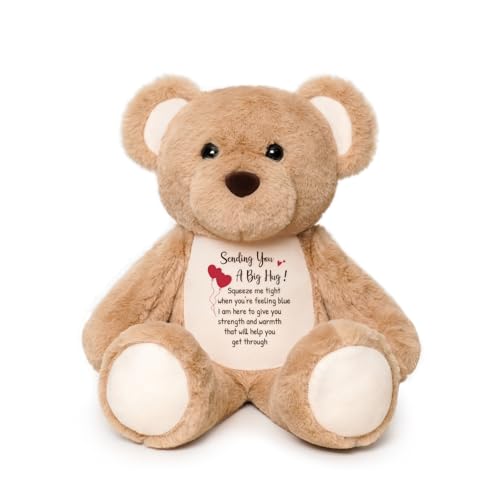
WoollyPearl Soft Teddy Bear Plush Toy, A Big Hug Get Well Soon Comfort Bear with Sympathy Message, Emotional Support Gift for Women, Kids, Girls, Toddlers, Thinking of You Memorial Loved Present 15"
- Comforting Message: Soft bear with caring message on belly
- Poseable Arms: Flexible arms for hugging and gestures
- Premium Quality: Made of soft plush and resilient filling
As an affiliate, we earn on qualifying purchases.
As an affiliate, we earn on qualifying purchases.

White Teddy Bear Stuffed Animal Plushie Cute Bear Plush Gift for Kids Adult
- Compact Size for Easy Holding: 7.8W x 3.5L x 11H inches
- Adorable Design with Heart and Bow: Expresses love and adds cuteness
- Safe, Soft, Skin-Friendly Material: Made with eco-friendly polyester fabric
As an affiliate, we earn on qualifying purchases.
As an affiliate, we earn on qualifying purchases.