
Mass-produced Valentine’s cards started in the 19th century with innovations from companies like Hallmark, transforming private, handmade notes into affordable, widely available gifts. Originally, these cards evolved from handwritten messages and intricate designs in the Victorian era, where embossing, lace, and glitter became popular. Technological advances made mass production possible, expanding themes from romance to humor and friendship. If you continue exploring, you’ll discover how these changes shaped the modern way we express affection.
Key Takeaways
- Valentine’s cards originated from handwritten notes and personalized messages in 15th-16th century Europe.
- Technological advances in printing during the 18th century allowed for more intricate, mass-produced Valentine’s cards.
- The Victorian era saw the rise of ornate, decorative cards with embossed designs, lace, and glitter.
- Companies like Hallmark popularized affordable, standardized Valentine’s cards in the 19th century, expanding their reach.
- Today, digital printing and customization continue to evolve Valentine’s greetings, maintaining their role in expressing affection.

Have you ever wondered how Valentine’s Day cards became the beloved tradition they are today? The story begins centuries ago, long before mass production made cards widely accessible. The origins of Valentine’s cards trace back to the early 15th and 16th centuries, when lovers exchanged handwritten notes and poetry as tokens of affection. These early messages were often elaborate, personalized, and crafted with care, but they weren’t yet the standardized cards we recognize today. Over time, as printing technology advanced, the concept of sending a physical token of love became more organized and widespread. By the 18th century, handmade paper cards started appearing in Europe, especially in England, featuring intricate designs and heartfelt messages. These early cards laid the groundwork for what would eventually become a booming industry.
The evolution of card design reflects the shifting tastes and technological innovations of each era. Initially, Valentine’s cards were simple, often decorated with hand-drawn hearts, flowers, and Cupid motifs. As printing techniques improved, designs grew more elaborate, incorporating intricate engravings, colorful lithographs, and detailed illustrations. The Victorian era marked a significant turning point, with cards becoming more ornate and decorative. Manufacturers began to mass produce cards, making them more affordable and accessible to the general public. This shift transformed Valentine’s Day from a private, personal gesture into a widespread cultural tradition. The introduction of embossed designs, lace, ribbons, and glitter further elevated the aesthetic appeal of these cards, turning them into miniature works of art. Additionally, advancements in printing technology enabled more complex and vibrant designs to be created efficiently and on a larger scale.
The 19th century saw the rise of popular greeting card companies like Hallmark, which revolutionized the industry by standardizing designs and producing large quantities of cards. This allowed people from all walks of life to participate in the tradition without the need for handmade craftsmanship. As printing technology advanced, cards became more colorful, diverse, and expressive. The evolution of card design also mirrored societal changes, with themes expanding beyond romantic love to include humor, friendship, and appreciation. Today, mass-produced Valentine’s cards continue to evolve with digital printing, customization options, and vibrant visuals, but their roots still trace back to those early hand-crafted messages and innovative design shifts that made them a staple of affection and celebration.

Decorably 24 Pack 4x6in Valentine Cards for Adults & Kids with Envelopes and Stickers, 12 Assorted Designs Multipack for Family, Friends & Loved Ones, Printed Message – Hearts' Day, Gifting, Mailing
BRING ON THE VALENTINE VIBES – Make your greetings shine with 24 Valentines cards for adults! Choose from…
As an affiliate, we earn on qualifying purchases.
As an affiliate, we earn on qualifying purchases.
Frequently Asked Questions
How Did Valentine’s Day Become Associated With Romantic Love?
You see, Valentine’s Day became linked with romantic love through romantic symbolism rooted in historical origins. Over time, lovers exchanged handwritten notes and tokens, emphasizing affection and devotion. The holiday’s association deepened during the Victorian era, when symbolism like hearts and Cupid gained popularity. Today, the day celebrates romantic love, built on centuries of tradition and the evolving cultural significance of expressing heartfelt feelings through cards and gestures.
Were Handmade Cards More Popular Than Mass-Produced Ones Initially?
In the early days, handmade cards were more popular because people valued handmade craftsmanship and personalized messages. About 90% of Valentine’s cards were crafted by hand, reflecting genuine emotion. As printing technology advanced, mass-produced cards gained popularity due to their affordability and ease of sharing. So, initially, handmade cards held more sentimental value, but mass production eventually made Valentine’s Day greetings accessible to everyone.
What Materials Were Used in Early Valentine’s Cards?
In early Valentine’s cards, you’d find materials like artistic paper, often richly decorated with intricate designs. People used decorative embellishments such as lace, ribbon, and embossed details to make their cards special. These materials helped convey emotion and creativity, making each card unique. You can see how crafters valued quality and artistry, creating heartfelt messages with textured paper and ornamental accents that set handmade cards apart from mass-produced ones.
How Did Printing Technology Influence Card Design?
Imagine if Gutenberg had access to Photoshop—printing innovations revolutionized card design. You see, advances like lithography and color printing allowed for more intricate, colorful images and detailed graphic design on Valentine’s cards. These tech improvements made mass production possible, giving cards a professional look and wide accessibility. Without them, your modern Valentine’s would lack the vibrant, personalized charm that today’s printing technology brings to every card you give or receive.
Are There Regional Differences in Valentine’s Card Traditions?
You’ll notice regional customs influence Valentine’s card traditions worldwide. In the U.S., romantic cards dominate, while in Japan, women gift men chocolates and cards. In the UK, humorous or poetic cards are popular, reflecting cultural variations. These differences showcase how local customs shape card designs and messages, making each region’s traditions unique. Embracing these regional variations adds a special touch to celebrating love across different cultures.
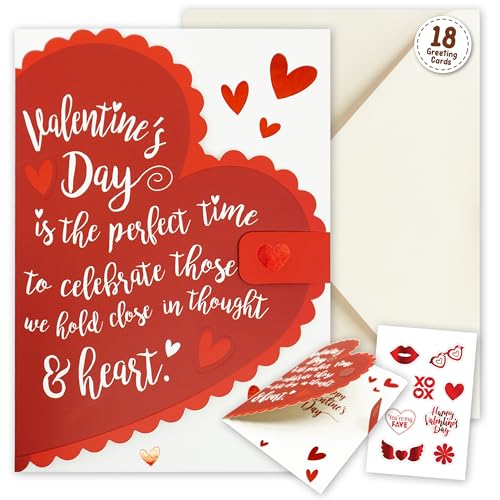
Decorably 5x7in Embossed Red Foiled 18 Pack of Valentine Cards with Envelopes and Stickers – 1 Beautiful Folded Design for Family, Friends, and Loved Ones with Printed Message Inside
MAKE EVERY VALENTINE FEEL EXTRA SPECIAL – Make Valentine’s Day meaningful with these Valentines day card with heart-shaped…
As an affiliate, we earn on qualifying purchases.
As an affiliate, we earn on qualifying purchases.
Conclusion
Your journey through the history of Valentine’s cards shows how they’ve evolved from simple tokens to cherished traditions. Today’s mass-produced cards connect people worldwide, spreading love and kindness. Remember, a picture is worth a thousand words, but a heartfelt message lasts forever. No matter how cards change, the true meaning remains the same: expressing love and appreciation. Keep the tradition alive—after all, love is the greatest gift you can give and receive.
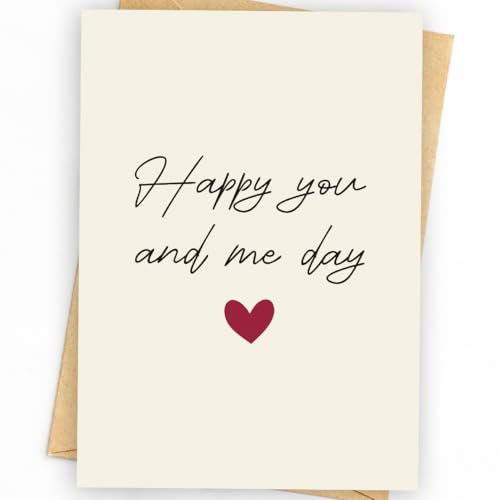
WowBefun Valentine Day Gifts & Card | Anniversary Card to Husband | Funny Anniversary Card & Gifts for Women, Men, Husband, Wife, Him, and Her | Happy Anniversary Decorations
💕Size: 5×7 inch (After folding).
As an affiliate, we earn on qualifying purchases.
As an affiliate, we earn on qualifying purchases.

ceiba tree Vintage Valentines Day Cards 20Pack Retro Happy Valentine’s Day Greeting Card Assorted Blank Notes Cards with Envelopes
What You Get : 20 Happy Valentine’s Day greeting cards, 20 envelopes, 2 sheets stickers. The size is…
As an affiliate, we earn on qualifying purchases.
As an affiliate, we earn on qualifying purchases.